
Gaming chairs have changed fast in the last few years. I still remember when most buyers only cared about bold colors, racing-style wings1, and RGB lighting. That market still exists, but in 2026 the demand looks very different. More distributors, wholesalers, and private-label brands now ask for ergonomic support, adjustable lumbar systems, and office-friendly designs.
Many consumers work and play in the same room. They want one chair for gaming, remote work, streaming, and long study sessions. Traditional racing chairs often look aggressive, but they do not always support healthy sitting for 8 to 10 hours. This shift is pushing manufacturers to redesign the entire category.
Featured Snippet:
Gaming chairs in 2026 are moving away from pure racing aesthetics and toward ergonomic, work-friendly designs. Buyers now prioritize lumbar support, breathable materials, adjustability, and office compatibility. OEM and ODM manufacturers that combine gaming identity with ergonomic comfort are gaining stronger demand from global brands and retailers.
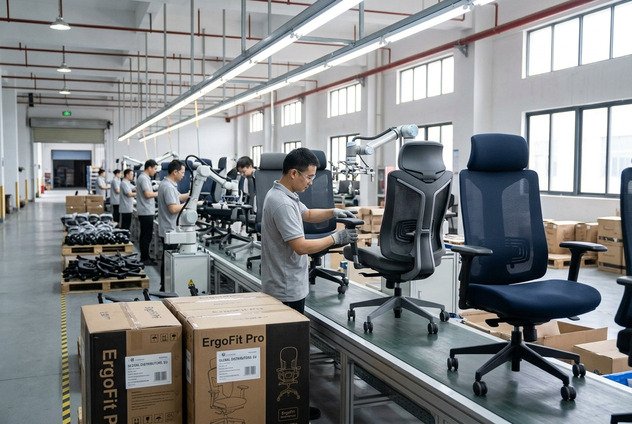
The market is no longer separated into “office chairs” and “gaming chairs.” I see many B2B buyers asking for hybrid models that fit both categories. This trend is creating new opportunities for importers, wholesalers, eCommerce brands, and furniture retailers.
Why Racing-Style Gaming Chairs Are Losing Momentum
For many years, racing-style chairs dominated online marketplaces. Their design came from car racing seats. The shape looked exciting, especially for younger gamers. However, many users later discovered problems during long sitting sessions.
The side wings often restricted movement. PU leather became hot after several hours. Some low-cost models used poor foam density and weak frames. As remote work increased worldwide, users started comparing gaming chairs with ergonomic office seating.
Snippet Paragraph:
Consumers in 2026 still like gaming aesthetics, but they expect ergonomic performance equal to modern office chairs. Appearance alone is no longer enough to drive long-term sales.
Consumers Now Prioritize Daily Comfort
I have noticed a major change in buyer requests from Europe and North America. Five years ago, customers mainly asked about color options and logos. Today, they ask more questions about:
- Lumbar tracking systems
- Seat foam density
- Adjustable armrests
- Breathable mesh
- Reclining stability
- Weight capacity
- Certification standards
This change reflects how people use chairs today. A gaming chair is no longer only for gaming. It is now part of a daily workstation.
Racing Design Still Matters — But Less Aggressively
The racing style is not disappearing completely. Instead, it is evolving. Many brands now prefer:
| Old Gaming Chair Style | 2026 Gaming Chair Trend |
|---|---|
| Large side wings | Wider ergonomic seat |
| Bright racing colors | Neutral office-friendly tones |
| Thick PU leather | Mesh or fabric upholstery |
| Fixed lumbar pillow | Integrated lumbar support |
| Aggressive styling | Hybrid gaming-office appearance |
I personally think this is a smart direction for manufacturers. It helps brands sell to wider audiences instead of only targeting teenage gamers.
Minimalist Gaming Setups Are Influencing Chair Design
Modern gaming rooms look different now. Streamers and professionals often prefer clean and minimal spaces. White, gray, black, and beige products are replacing neon-heavy setups.
This trend affects OEM production directly. More buyers now request:
- Soft-touch fabric
- Aluminum bases
- Hidden stitching
- Matte finishes
- Slim backrest profiles
Factories that can adapt quickly to these design shifts usually gain stronger ODM opportunities.
The Rise of Ergonomic Gaming Chairs for Hybrid Work
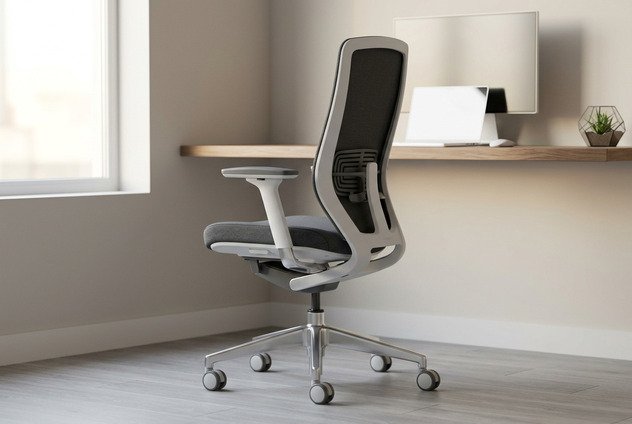
The biggest trend in 2026 is the hybrid ergonomic gaming chair. This category combines gaming aesthetics with office-chair ergonomics. I believe this is becoming the new mainstream direction for the industry.
Consumers now spend long hours at their desks. They need support for posture, back health, and circulation. A stylish chair without ergonomic support simply cannot compete anymore.
Snippet Paragraph:
Hybrid ergonomic gaming chairs are becoming the dominant category because users want one chair for gaming, remote work, meetings, and content creation.
Integrated Lumbar Systems Are Becoming Standard
Detached lumbar pillows are slowly disappearing in premium models. Many buyers now prefer built-in lumbar systems because they:
- Look cleaner
- Offer more precise adjustment
- Improve long-term comfort
- Reduce accessory complaints
From a manufacturing perspective, integrated systems also improve product positioning. Retailers can market these chairs as premium ergonomic solutions instead of budget gaming furniture.
Mesh Materials Continue to Grow
Mesh gaming chairs used to be uncommon. Today, they are one of the fastest-growing segments. I have seen many importers specifically requesting mesh-back gaming chairs because users complain about heat buildup in traditional PU models.
Mesh provides several advantages:
| Material Type | Main Advantages | Main Weakness |
|---|---|---|
| PU Leather | Easy cleaning, gaming look | Heat retention |
| Fabric | Softer feel, modern appearance | Harder to clean |
| Mesh | Breathability, ergonomic image | Higher frame complexity |
Factories with strong mesh engineering capabilities now have a competitive advantage in the gaming sector.
Adjustable Features Drive Higher Retail Value
Modern buyers expect customization. Entry-level fixed chairs are facing stronger competition. Premium features now include:
- 4D armrests
- Multi-angle recline locks
- Seat-depth adjustment
- Dynamic lumbar support
- Synchronized tilt mechanisms
- Magnetic headrests
These features increase perceived value significantly. For OEM buyers, this also creates stronger branding opportunities.
I often suggest that private-label brands focus on ergonomics first and visual design second. Long-term customer satisfaction usually depends more on comfort than appearance.
OEM and ODM Trends Reshaping the Gaming Chair Industry
Manufacturing trends are changing just as fast as consumer preferences. Global buyers are becoming more selective when choosing suppliers. Price still matters, but reliability now matters even more.
Many furniture brands learned difficult lessons during supply chain disruptions in recent years. Because of that, they now focus heavily on stable production capacity and quality control.
Snippet Paragraph:
Gaming chair OEM buyers in 2026 prioritize flexible manufacturing, certification compliance, stable logistics, and ergonomic innovation over low pricing alone.
Flexible MOQ Is Becoming More Important
Small and medium-sized brands want lower inventory risk. Many new gaming-chair startups prefer testing products with smaller order quantities before scaling.
Manufacturers that offer flexible MOQ support usually attract:
- Amazon sellers
- Shopify brands
- Regional distributors
- Influencer brands
- Streaming equipment companies
This flexibility helps buyers test new markets faster.
Certifications Matter More Than Before
Large retailers and distributors increasingly require compliance documentation.2 Popular certifications now include:
| Certification | Purpose |
|---|---|
| BIFMA | Commercial furniture safety |
| EN1335 | European ergonomic standards |
| SGS Testing | Material and durability verification |
| REACH | Chemical compliance |
| CA117 | Fire safety requirements |
Factories without proper certification support may struggle to enter premium markets.
Faster Product Development Cycles
Gaming trends change quickly. ODM suppliers now need strong industrial design capabilities and rapid sampling systems.
I have seen successful manufacturers reduce development timelines through:
- Modular components
- Shared mechanism platforms
- Faster fabric sourcing
- In-house testing labs
- 3D design validation
This speed helps brands launch products before trends become saturated.
Branding Is Becoming More Sophisticated
Many gaming-chair brands now position themselves closer to lifestyle and productivity categories. Their marketing focuses on:
- Wellness
- Productivity
- Professional streaming
- Remote work
- Creator culture
This shift changes how chairs are designed and promoted. It also creates demand for more premium-looking products.
What Buyers Should Look for in 2026 Gaming Chair Suppliers
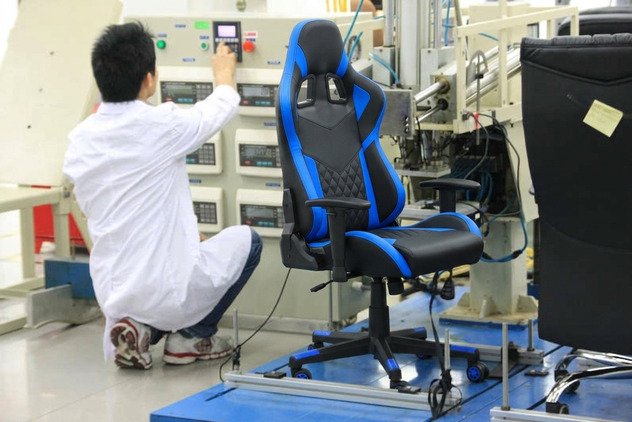
Finding the right supplier is now more complicated than simply comparing prices. Buyers should evaluate manufacturing capability, ergonomics expertise, and supply-chain reliability together.
Snippet Paragraph:
The best gaming chair suppliers in 2026 combine ergonomic R&D, reliable production, flexible customization, and strong export experience.
Key Questions Buyers Should Ask
I usually recommend asking suppliers these questions:
- Do they own their own factory?
- Can they support OEM and ODM projects?
- What certifications do they provide?
- Can they customize foam density and upholstery?
- What testing procedures do they use?
- How stable is their raw material supply chain?
- Can they handle mixed-container orders?
These questions reveal much more than pricing alone.
Customization Is a Major Competitive Tool
Private-label buyers increasingly request:
- Embroidery logos
- Custom packaging
- Color matching
- Specialized armrests
- Local-language manuals
- Branded caster wheels
Factories with strong customization systems usually build longer customer relationships.
Logistics and Packaging Efficiency Matter
Freight costs remain important in global furniture trade. Efficient carton design can significantly reduce shipping costs.
Many advanced factories now optimize:
| Optimization Area | Business Benefit |
|---|---|
| Flat-pack engineering | Lower container cost |
| Stronger cartons | Fewer shipping damages |
| Modular assembly | Faster production |
| Barcode systems | Better warehouse management |
These details may look small, but they strongly affect profitability for importers.
Conclusion
Gaming chairs in 2026 are no longer defined only by racing aesthetics. The industry is moving toward ergonomic, work-friendly, and lifestyle-oriented seating solutions. Consumers want comfort for long working hours, not just visual excitement.
For OEM and ODM buyers, this shift creates major opportunities. Brands that combine ergonomic innovation, modern styling, reliable quality, and flexible manufacturing will likely perform best in the next phase of the gaming furniture market.
From my perspective, the future belongs to hybrid gaming chairs that support both productivity and entertainment. Manufacturers that understand this transition early will stay ahead of the competition.
v
"Gaming chair", https://en.wikipedia.org/wiki/Gaming_chair. A neutral background source on gaming chairs should document that the category has historically borrowed its visual form from racing-car bucket seats, including prominent side bolsters or wing-like shapes, supporting the article’s characterization of earlier gaming-chair aesthetics. Evidence role: historical_context; source type: encyclopedia. Supports: Before the recent ergonomic shift, gaming-chair demand was strongly associated with racing-inspired visual features such as bold colors, racing-style wings, and RGB lighting.. Scope note: Such a source can support the racing-inspired design history, but may not verify the stronger claim that most buyers cared only about these aesthetic features. ↩
"Chemical Reaction: The U.S. Response to REACH - PMC", https://pmc.ncbi.nlm.nih.gov/articles/PMC2265068/. Furniture safety standards and chemical regulations such as BIFMA standards, EN 1335, REACH, and flammability requirements show that commercial furniture entering major markets is often assessed against documented safety, durability, chemical, and fire criteria. Evidence role: general_support; source type: institution. Supports: Retailers and distributors increasingly require compliance documentation for gaming-chair products.. Scope note: The standards establish the compliance framework, but retailer-specific documentation requirements vary by market and buyer. ↩